


articles

Contact lenses have become a popular choice for individuals who want to correct their vision without the hassle of wearing glasses. Traditional contact lenses have been around for decades, offering a convenient alternative to eyeglasses. However, advancements in technology have given rise to a new type of contact lens – hybrid contacts.
What Are Hybrid Contacts?
Hybrid contacts are a revolutionary type of contact lens that combine the best features of both soft and rigid gas permeable (RGP) lenses. The rigid center corrects vision by providing precise clarity, while the soft skirt offers comfort and stability. This unique combination allows for the benefits of both types of lenses to be experienced simultaneously.
The central RGP lens of a hybrid contact is made from a rigid material that allows oxygen to pass through to the cornea, ensuring ample oxygen supply to the eyes. This ensures the overall health of the eyes, preventing dryness and reducing the risk of complications associated with limited oxygen flow

Myopia is a common vision problem affecting a large number of individuals worldwide. It occurs when the eye is unable to focus properly on distant objects, resulting in blurred vision. Myopia can develop during childhood and progress into adulthood if left unmanaged.
What Causes Myopia to Develop?
Myopia can be caused by a combination of genetic and environmental factors. If one or both parents have myopia, there is a higher chance that their children will develop the condition. Additionally, excessive screen time, lack of outdoor activities, and prolonged near-work activities such as reading or using electronic devices can contribute to the development of myopia. These lifestyle factors can lead to the elongation of the eyeball, resulting in the inability to focus on distant objects.
The Importance of Myopia Management
Managing myopia is crucial to prevent its progression and associated complications. High levels of myopia can increase the risk of developing eye conditions such as glaucoma, cataracts, and retinal detachment.
Additionally, severe myopia can lead to vision loss and significantly impact the quality of life. Early intervention and proper management of myopia can help slow down its progression and reduce the risk of these complications.
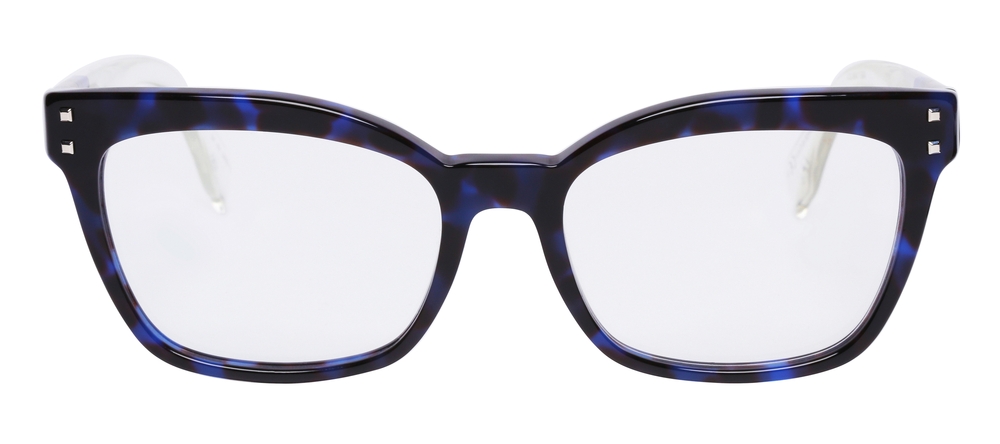
Technology continues to blur the lines between style and functionality - and Nuance Audio Glasses are a perfect example of this evolution. Designed to look like everyday eyewear, these innovative glasses feature built-in hearing enhancement technology that helps users hear conversations clearly while maintaining natural, effortless vision.
What Are Nuance Audio Glasses?
Nuance Audio Glasses are smart eyeglasses designed to provide both vision correction and enhanced hearing. Developed by Nuance Hearing, these glasses discreetly integrate directional microphones, miniature speakers, and Bluetooth connectivity into the frame - allowing wearers to improve their hearing experience without traditional hearing aids. By combining hearing technology with fashionable eyewear, Nuance Audio Glasses offer a seamless, everyday solution for individuals who want better hearing support without drawing attention to their device.
How Nuance Audio Glasses Work
The technology behind Nuance Audio Glasses focuses on selective sound amplification and speech clarity. The glasses use beamforming microphones to focus on voices in front of the wearer while reducing background noise. The enhanced sound is then transmitted through tiny speakers near the ears, allowing users to hear clearly without the occlusion effect common with in-ear devices.
This open-ear design keeps the ear canals unobstructed, promoting natural hearing while boosting important speech frequencies - ideal for conversations in noisy environments like restaurants or social gatherings.
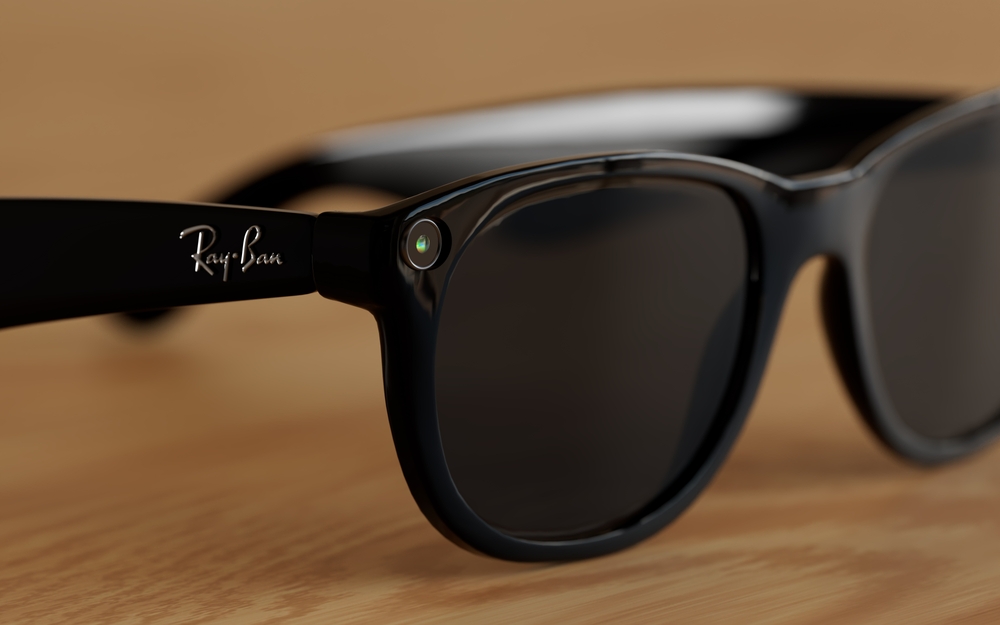
Ray-Ban has long been recognized as a leader in timeless style, but now the brand is taking a bold step into the future. In collaboration with Meta, Ray-Ban has introduced a groundbreaking innovation - Ray-Ban Meta Glasses. These glasses are a fusion of iconic design and next-generation technology that allows you to capture, share, and stay connected like never before.
What Are Ray-Ban Meta Glasses?
Ray-Ban Meta Glasses go beyond vision correction or sun protection - they seamlessly integrate a camera, speakers, and voice-activated AI assistance, allowing users to capture, share, and interact hands-free. With their classic Ray-Ban frames, these glasses look just like traditional eyewear, but they’re packed with cutting-edge features hidden in plain sight.
Key Features and Technology
Built-in Cameras: Capture photos and videos instantly with a simple voice command or tap on the frame. The dual 12MP cameras allow for high-quality media with depth and detail.
Open-Ear Audio: Discreet speakers positioned near your ears provide clear sound without blocking ambient noise, letting you listen to music, take calls, or hear notifications seamlessly.
Meta AI Integration: Access Meta’s AI assistant through voice commands. Ask questions, control your device, or get updates - all without taking your phone out.
Live Streaming and Sharing: Stream directly to social media platforms like Instagram and Facebook in real time, making it easy to share your perspective with your audience.
Touch and Voice Controls: Intuitive touch-sensitive temples and responsive voice commands give you full control over your smart features.
Transitions® Lenses Option: Enjoy lenses that automatically adapt to changing light conditions for optimal comfort both indoors and outdoors.

Urgent eye care encompasses prompt evaluation and treatment of sudden or severe eye-related issues, including foreign object removal, chemical exposure, corneal abrasions, sudden vision loss, eye trauma, acute glaucoma, chemical burns, and eye infections. Seeking immediate professional attention from an optometrist is vital to prevent further damage and preserve vision.
Common Eye Emergencies or Urgent Eye Care Appointments
Eye emergencies can manifest in various forms, and it is essential to be able to identify them quickly. Some common eye emergencies include:
Foreign Object in the Eye: Particles, debris, or small objects can become lodged in the eye, causing pain, redness, tearing, and potential damage to the eye's surface.
Corneal Abrasions or Scratches: Injuries to the cornea, such as abrasions or scratches, can cause severe eye pain, light sensitivity, and a feeling of something in the eye.
Sudden Loss of Vision: Any sudden and unexplained loss of vision requires immediate attention to determine the underlying cause and initiate appropriate treatment.
Eye Trauma or Blunt Force Injury: Injuries to the eye from impact, trauma, or accidents can lead to serious complications, including retinal detachment, hemorrhage, or intraocular foreign bodies.
Chemical Burns: Exposure to caustic substances or chemicals can cause serious damage to the eyes, resulting in pain, redness, and potential vision loss.
Eye Infections: Infections such as conjunctivitis (pink eye) can cause redness, discharge, and discomfort in the eyes.
Recognizing these symptoms and seeking urgent care can prevent further complications.
The Importance of Basic Red Eye Exams in Urgent Care
Red eye exams are a fundamental part of urgent eye care. They help identify the cause of redness and determine the appropriate treatment. Basic red eye exams involve a comprehensive evaluation of the eye, including examining the eyelids, conjunctiva, cornea, and iris. These exams aid in the diagnosis and treatment of various conditions, such as conjunctivitis, uveitis, dry eyes, and corneal abrasions.

Presbyopia is a natural and inevitable part of aging that affects the eyes' ability to focus on close objects. Unlike other vision conditions, presbyopia isn’t caused by the shape of the eye or structural abnormalities but is instead a result of the eye’s lens losing its flexibility over time.
What is Presbyopia?
Presbyopia is a refractive error, meaning it affects how the eyes bend (or refract) light to focus it on the retina. Unlike nearsightedness (myopia) or farsightedness (hyperopia), which are caused by the shape of the eyeball or cornea, presbyopia is due to the aging of the eye's lens. Over time, the lens becomes less flexible, making it difficult to focus on nearby objects. Presbyopia isn’t a disease or an abnormality—it’s simply a natural consequence of the aging process.
What Causes Presbyopia?
The lens inside the eye changes shape to focus light on the retina, allowing us to see clearly at varying distances. When viewing nearby objects, the lens thickens and curves to increase its refractive power.
As we age, however:
Lens Stiffening: The lens loses elasticity, making it harder to bend and adjust for near vision.
Weakened Ciliary Muscles: The muscles that help change the shape of the lens may lose their strength over time, further reducing the eye’s ability to focus on close objects.
Structural Changes: The lens also grows thicker and less transparent with age, which contributes to reduced focusing ability.
These changes are gradual, typically starting in a person’s 30s and becoming noticeable by their early to mid-40s.

Vision therapy is a specialized form of treatment that aims to improve visual function and performance. It involves a series of eye exercises, activities, and visual training techniques designed to address a wide range of vision-related issues. Unlike traditional eye care, which often focuses on correcting refractive errors with glasses or contact lenses, vision therapy takes a holistic approach to addressing the underlying causes of visual problems.
By targeting the root causes of these issues, vision therapy can help individuals achieve better visual function, improve their overall well-being, and enhance their ability to perform daily tasks with greater ease and efficiency.
Amblyopia
Amblyopia, commonly known as "lazy eye," is a common vision condition that affects approximately 2-3% of the population. It occurs when one eye develops reduced visual acuity due to the brain's inability to properly process information from that eye.
In many cases, amblyopia develops during childhood, often due to factors such as refractive errors, strabismus (misaligned eyes), or visual deprivation. If left untreated, amblyopia can lead to permanent vision loss in the affected eye, as the brain increasingly favors the stronger eye and the weaker eye's visual processing abilities deteriorate.
Vision therapy is a highly effective treatment for amblyopia, as it aims to retrain the brain to properly utilize the weaker eye. Through a series of specialized exercises and activities, vision therapy can strengthen the neural pathways between the brain and the affected eye, improving visual acuity and binocular vision.
The key to successful treatment lies in the brain's remarkable ability to adapt and change, known as neuroplasticity. By engaging in targeted vision therapy, individuals with amblyopia can stimulate this neuroplasticity, allowing the brain to reorganize and improve its processing of visual information from the weaker eye.
Strabismus
Strabismus, also known as crossed eyes or misaligned eyes, is a condition where the eyes do not properly align with each other. This can cause one eye to turn inward, outward, upward, or downward, resulting in a lack of binocular vision and depth perception.
Strabismus can have a significant impact on an individual's visual function, self-esteem, and overall quality of life. Left untreated, it can lead to the development of amblyopia (lazy eye) and other vision-related problems.
Vision therapy is a highly effective treatment for strabismus, as it focuses on retraining the brain and the eye muscles to work together in a coordinated manner. Through a series of specialized exercises and activities, vision therapy can help individuals with strabismus improve their eye alignment, binocular vision, and depth perception.
Binocular Vision Disorders
Binocular vision disorders are a group of conditions that affect the way the eyes work together as a team. These disorders can result in a range of visual problems, including difficulty with depth perception, eye strain, headaches, and difficulties with reading and other visual tasks.
Some common binocular vision disorders that can be effectively treated with vision therapy include:
Convergence Insufficiency: This condition is characterized by the inability of the eyes to properly converge, or come together, when focusing on a close object. This can lead to eye strain, headaches, and difficulties with reading and other near-work activities.
Accommodative Dysfunction: Accommodative dysfunction is a problem with the eye's ability to focus, or "accommodate," on near objects. This can cause blurred vision, eye strain, and difficulties with reading and other close-up tasks.
Vergence Dysfunction: Vergence dysfunction refers to a problem with the eye's ability to work together to maintain proper alignment and focus. This can lead to double vision, eye strain, and difficulties with depth perception.
Through vision therapy, individuals with binocular vision disorders can retrain their visual system to work more efficiently and effectively. The goal of vision therapy is to improve the coordination and synchronization of the eyes, ultimately leading to better visual performance and reduced visual symptoms.

Strabismus is a relatively common condition, affecting about 2-4% of the population worldwide. It is one of the most frequent eye disorders seen in children, though it can also develop in adults due to conditions like stroke or trauma. In the United States alone, it is estimated that around 12 million people are affected by strabismus, with varying degrees of severity. Early diagnosis and treatment are essential, as untreated strabismus in children can significantly impair visual development.
What is Strabismus?
Strabismus, commonly referred to as crossed eyes, is a condition in which the eyes do not properly align with each other when looking at an object. One eye may turn in, out, up, or down, while the other eye focuses correctly. This misalignment can be constant or intermittent and may affect one or both eyes. Strabismus occurs when the muscles controlling eye movement do not work together correctly, leading to difficulty in focusing both eyes on a single point. This condition can lead to visual issues such as double vision and, in some cases, can result in amblyopia (lazy eye) if left untreated.
How Does Strabismus Develop?
Strabismus develops when there is a disruption in the coordination of the muscles that control eye movement, leading to a misalignment of the eyes. This disruption can result from various causes, including genetic factors, neuromuscular conditions, or problems with the nerves that transmit signals to the eye muscles. In some cases, it may be present at birth, while in others, it can develop later in childhood or adulthood due to conditions such as cerebral palsy, Down syndrome, or even trauma to the eye or brain.
Signs and Symptoms of Strabismus
The primary symptom of strabismus is the visible misalignment of the eyes. However, there are other signs and symptoms that may indicate the presence of this condition:
Blurred or double vision
Headaches or eye strain
Difficulty with depth perception and spatial awareness
Reduced visual acuity in one eye
Frequent eye rubbing or squinting
Tilting or turning the head to compensate for the misalignment

In the ever-evolving world of vision correction, multifocal contact lenses have emerged as a game-changer for individuals seeking a seamless solution to address their presbyopia. As you navigate through life's various stages, your eyes may undergo changes that can impact your ability to focus clearly on objects at different distances. Multifocal contact lenses offer a convenient and effective way to combat this challenge, providing you with a versatile and comfortable option for correcting your vision.
What Are Multifocal Contact Lenses?
Multifocal contact lenses are specialized lenses designed to correct presbyopia, a condition that typically occurs as you age, making it difficult to focus on near objects. Unlike traditional single-vision lenses that correct either near or distance vision, multifocal contact lenses incorporate multiple prescriptions into a single lens. This innovative design allows you to enjoy clear vision at various distances, eliminating the need for separate reading glasses or bifocals.
How Do Multifocal Contact Lenses Work?
Multifocal contact lenses employ advanced optical technologies to provide seamless vision correction. These lenses feature distinct zones or concentric rings that correspond to different prescriptions for near, intermediate, and distance vision. As your eyes move and focus on objects at varying distances, the appropriate zone of the lens comes into play, ensuring a clear and comfortable visual experience.
There are two main types of multifocal contact lens designs:
Simultaneous Vision Design: In this design, the lens incorporates multiple prescriptions simultaneously, allowing your eyes to utilize the appropriate zone based on the viewing distance. This design can take some time to adjust to, as your brain learns to interpret the different visual inputs.
Alternating Vision Design: Also known as "segmented" or "translating" lenses, these lenses have distinct zones for near and distance vision. As you move your eyes or shift your gaze, the appropriate zone is positioned in front of your pupil, providing the necessary correction.
Eye Conditions That Multifocal Contact Lenses Can Treat
Multifocal contact lenses are primarily designed to address the following vision-related conditions:
Presbyopia: As you age, the natural lenses in your eyes lose flexibility, making it challenging to focus on nearby objects. Multifocal contact lenses can correct this age-related farsightedness, allowing you to see clearly at all distances.
Myopia (Nearsightedness): If you struggle to see distant objects clearly, multifocal contact lenses can incorporate a prescription to correct myopia, while also providing near and intermediate vision correction.
Hyperopia (Farsightedness): For individuals with farsightedness, multifocal contact lenses can offer a solution by incorporating a prescription to improve distance vision, along with near and intermediate vision correction.
Astigmatism: Some multifocal contact lenses are designed to correct astigmatism, a condition caused by an irregularly shaped cornea or lens, resulting in blurred or distorted vision.

Eye care professionals use Optikam’s technology to capture more than 3 million eyewear measurements every year. The OptikamPad iPad app is a total dispensing solution that enables eye care professionals to successfully assist patients at all stages of the eyewear dispensing process, providing them with a unique and custom patient experience.
Optikam Posture Devise (OPD)
You may be surprised to learn that wearing glasses can and likely will affect your posture. Glasses lenses are most accurate when you look directly through their center. This means if your glasses are sitting too low or have slipped down your nose, you may find that you are subconsciously tilting your head back and this can affect your overall posture.
Optikam’s OPD measurement device is a cutting-edge tool that obtains eyewear measurements that take into account how the frame will be worn by patients, enabling the fit to be customized to their individual parameters. The ten measurements taken into account when determining each patient’s position of wear include:
Monocular pupillary distance
Multifocal seg heights
Pantoscopic tilt
Rear vertex distance
Wrap (face form tilt)
Near pupillary distance
This results in frames that not only look fantastic, but that also fit perfectly, remaining both comfortable and stable on the face without you needing to adopt an unnatural posture. The measurements obtained by the Optikam OPD measurement tool are immediately visible on your eye doctor’s tablet so that they can recommend which alterations to the frames are needed to ensure that the frames fit with precision and gives you the best visual experience.


MAP



CONTACT INFO
HOURS
Monday 10:00AM - 6:30PM
Tuesday Closed
Wednesday 10:00AM - 6:30PM
Thursday 10:00AM - 6:30PM
Friday 10:00AM - 6:30PM
Saturday 10:00AM - 6:30PM
Sunday Closed
© 2026 InnoVision Optometry. All Rights Reserved. Accessibility Statement - Privacy Policy - Sitemap
Powered by: 