
How Often Should You Get an Eye Exam
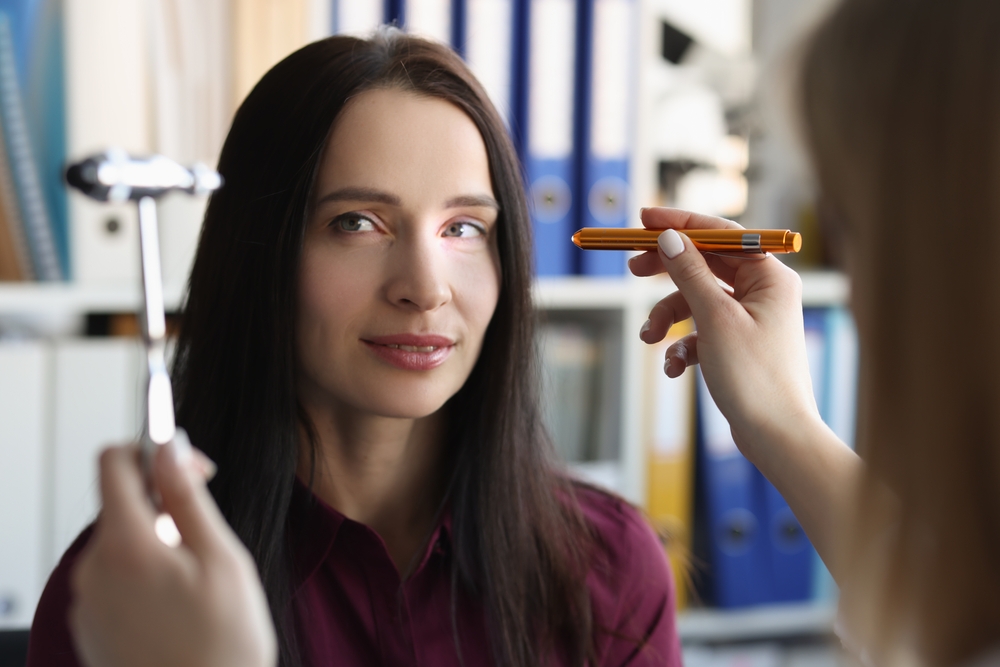
Regular eye exams do more than update your prescription. They help us monitor changes in your vision, evaluate eye health, and look for early signs of conditions that may not cause symptoms right away. For many patients, the right exam schedule depends on age, medical history, vision needs, and whether they already wear glasses or contact lenses. For many adults, a yearly eye exam is a smart routine. Even if your vision seems stable, subtle changes can happen gradually and may be easy to miss day to day. An annual visit gives us the chance to compare findings over time, check prescription changes, and screen for issues that can affect long-term eye health. If you spend long hours on screens, drive often, or rely on clear vision for work, regular eye exams are especially important. Staying consistent can help us catch problems early and keep your vision performing at its best. Children should not wait until they complain about blurry vision. Some vision problems can affect learning, reading, coordination, and classroom performance without being obvious. Regular pediatric eye exams help us evaluate how the eyes work together, how well your child sees at different distances, and whether treatment is needed. As children grow, their eyes can change quickly. Keeping up with exams allows us to monitor development and support healthy vision at every stage. Some patients should schedule eye exams more often than once a year. We may recommend a different timeline if you have: When risk factors are present, regular monitoring helps us respond sooner and protect your vision more effectively. If you wear contact lenses, you still need routine exams even if your lenses feel comfortable. A contact lens exam checks more than your prescription. We also assess lens fit, corneal health, tear film quality, and how your eyes respond to daily wear. Because contact lenses sit directly on the eye, regular follow-up is important for comfort and safety. Skipping exams can increase the chance of irritation, poor fit, or unnoticed complications. Many eye conditions develop with little or no early warning. You may feel that your vision is fine while changes are already happening. That is one reason routine eye exams matter - they help us identify concerns before they become more serious or harder to manage. If you do notice symptoms such as blurred vision, eye pain, light sensitivity, or sudden changes in sight, it is best to schedule an exam as soon as possible rather than waiting for your next routine visit. Eye exams should be part of your overall healthcare plan, just like dental checkups and annual physicals. A consistent exam schedule helps us protect your vision, support daily comfort, and track changes before they interfere with your quality of life. To stay on top of your eye health, contact InnoVision Optometry in Rowland Heights, CA by calling (626) 593-8700.
Annual Eye Exams Are A Good Rule For Many Adults
Children Need Regular Eye Exams Too
You May Need Exams More Often If You Have Certain Risk Factors
Contact Lens Exams Follow A Different Schedule
Do Not Wait For Symptoms To Schedule A Visit
Build Eye Care Into Your Preventive Health Routine

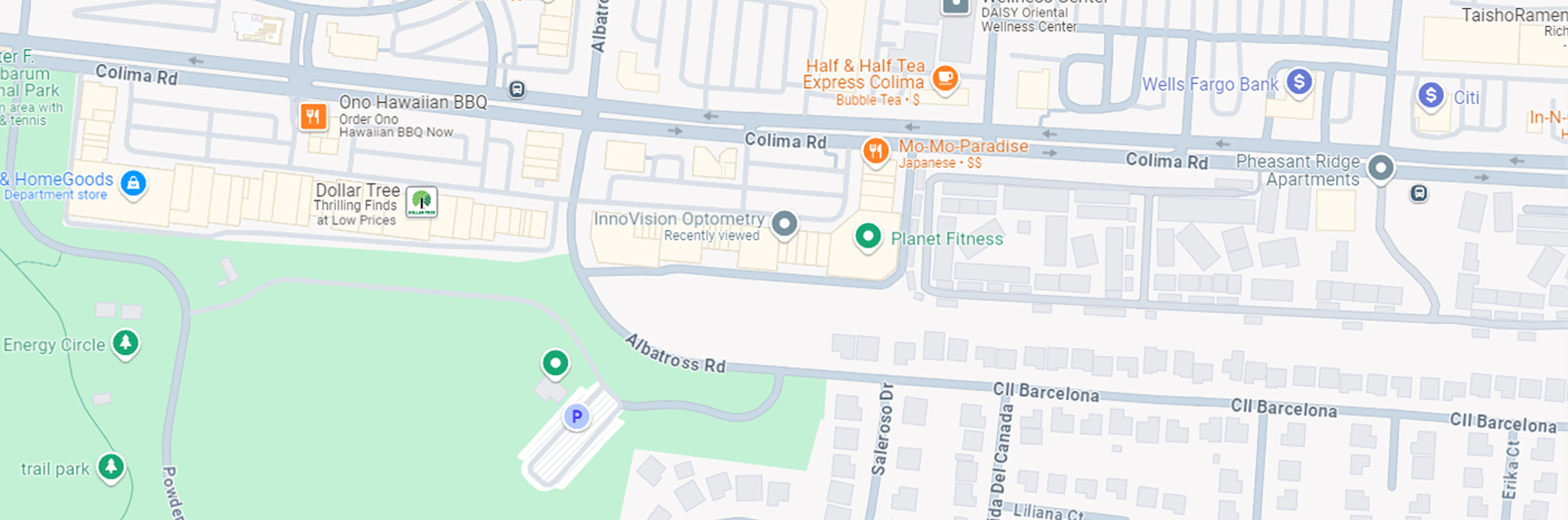
MAP


CONTACT INFO
HOURS
Monday 10:00AM - 6:30PM
Tuesday Closed
Wednesday 10:00AM - 6:30PM
Thursday 10:00AM - 6:30PM
Friday 10:00AM - 6:30PM
Saturday 10:00AM - 6:30PM
Sunday Closed
© 2026 InnoVision Optometry. All Rights Reserved. Accessibility Statement - Privacy Policy - Sitemap
Powered by: 