


How Often Should You Get an Eye Exam If You Have Diabetes?
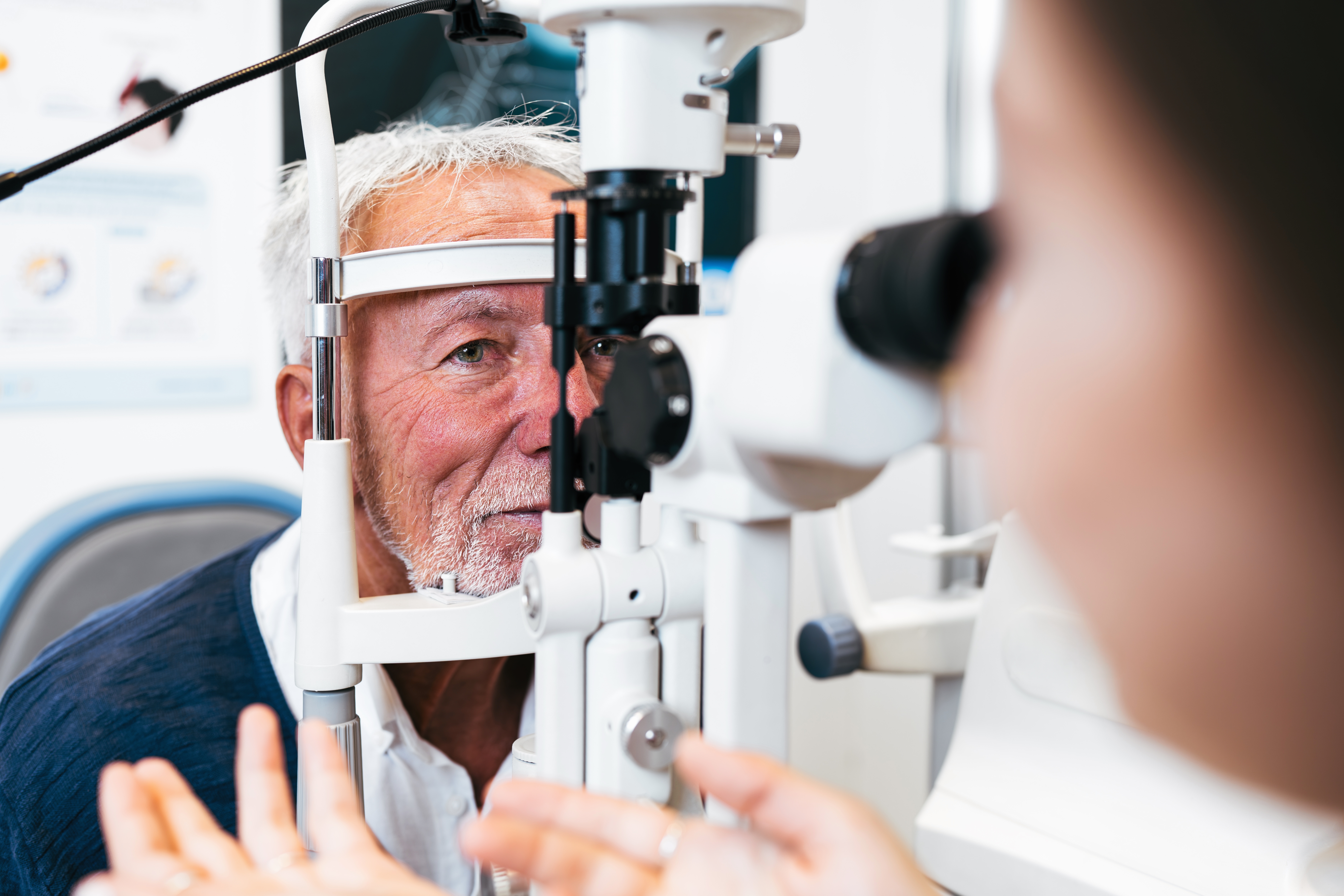
If you have diabetes, regular eye exams are essential for protecting your vision and maintaining long-term eye health. Diabetes can affect the small blood vessels in your eyes, increasing your risk of developing serious eye conditions. Even if your vision seems perfectly clear, underlying changes may already be occurring. Understanding how often you need a diabetic eye exam can help prevent complications and preserve your sight.
How Often Should People With Diabetes Get an Eye Exam?
Annual diabetic eye exams are generally recommended to monitor eye health and detect early signs of diabetes-related complications. The American Diabetes Association recommends that adults with type 2 diabetes receive an initial comprehensive dilated eye exam at diagnosis, while adults with type 1 diabetes should have their initial exam within five years of onset.
After your initial evaluation, annual exams are typically recommended. Patients with consistently controlled blood sugar and no signs of diabetic retinopathy may qualify for exams every one to two years, depending on their doctor's recommendations.
Why Are Regular Diabetic Eye Exams Important?
Diabetes can cause damage to the retina and other structures inside the eye. Many diabetes-related eye conditions develop gradually without noticeable symptoms, making routine examinations particularly important.
Regular diabetic eye exams help us monitor for conditions such as diabetic retinopathy, diabetic macular edema, cataracts, and glaucoma. Early detection allows us to identify changes, recommend appropriate care, and help reduce the risk of permanent vision loss.
When Should You Have Eye Exams More Frequently?
While annual exams are a common recommendation, certain circumstances may require more frequent monitoring. These include:
• Diabetic retinopathy: Existing retinal damage may require closer monitoring to track progression.
• Poorly controlled blood sugar: Elevated blood glucose levels can increase the risk of diabetic eye complications.
• High blood pressure: Hypertension can contribute to damage involving the retinal blood vessels.
• Pregnancy: Patients with preexisting type 1 or type 2 diabetes may need additional eye examinations during pregnancy.
• Changes in vision: Blurry vision, distorted vision, or other new symptoms may require evaluation before your next scheduled exam.
Sudden vision loss, new flashes or floaters, or a curtain-like shadow across your vision requires urgent medical attention rather than waiting for a routine appointment.
What Happens During a Diabetic Eye Exam?
At InnoVision Optometry, we provide comprehensive medical eye exams to evaluate your eye health and identify potential complications associated with diabetes. During your visit, we may assess your visual acuity, examine the retina, and evaluate the internal structures of your eyes.
We also use advanced technology, including Optomap retinal imaging, when appropriate to help detect and monitor changes in retinal health. Pupil dilation may be recommended for a more thorough evaluation. Our goal is to identify potential concerns early and determine an appropriate monitoring schedule based on your individual needs.
How Can You Protect Your Vision Between Eye Exams?
In addition to regular diabetic eye exams, managing blood sugar, blood pressure, and cholesterol levels can help reduce your risk of diabetes-related eye complications. Following your primary care provider's recommendations and maintaining consistent eye care are important parts of protecting your vision.
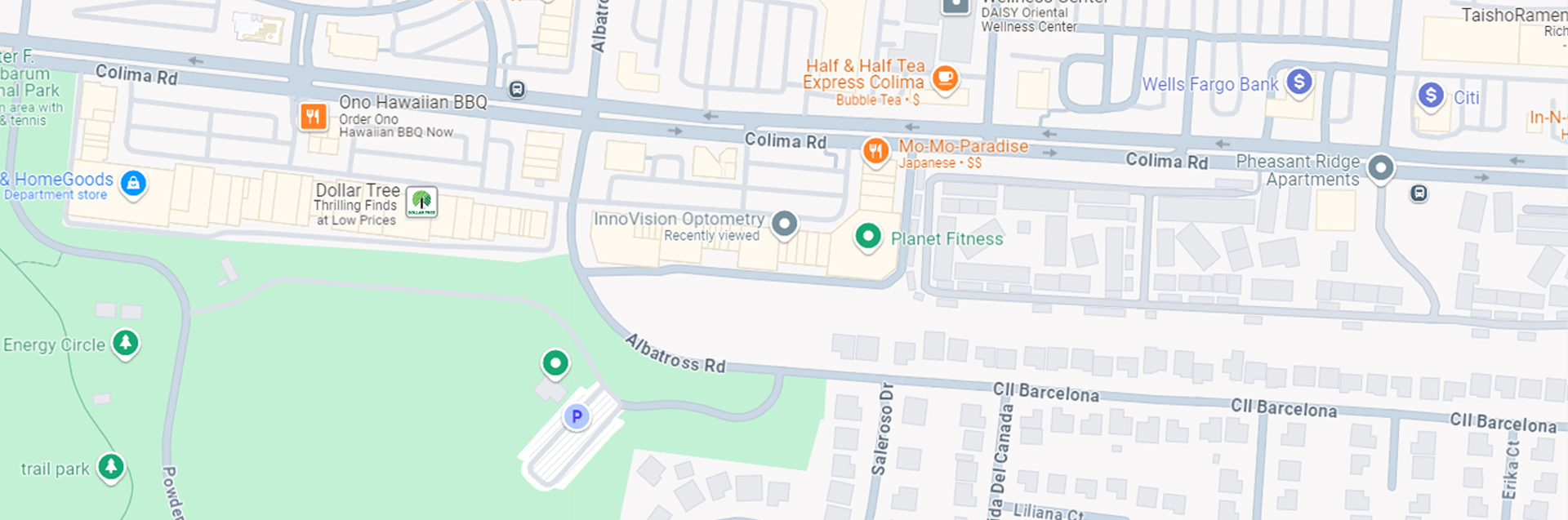
If you have diabetes, schedule your medical eye exam at InnoVision Optometry to take a proactive step toward protecting your sight. Visit our office in Rowland Heights, CA, or call (626) 593-8700 to book an appointment today.

MAP


CONTACT INFO
HOURS
Monday 10:00AM - 6:30PM
Tuesday Closed
Wednesday 10:00AM - 6:30PM
Thursday 10:00AM - 6:30PM
Friday 10:00AM - 6:30PM
Saturday 10:00AM - 6:30PM
Sunday Closed
© 2026 InnoVision Optometry. All Rights Reserved. Accessibility Statement - Privacy Policy - Sitemap
Powered by: 