


Atropine for Myopia Control: Questions for Your Child’s Eye Doctor
Myopia, or nearsightedness, is a common vision condition that often progresses during childhood. While glasses and contact lenses help children see clearly, they do not necessarily slow myopia progression. Low-dose atropine eye drops are one option that may help manage this progression. At InnoVision Optometry in Rowland Heights, CA, we help parents understand their child's myopia management options and determine which approach best fits their needs.
How Does Atropine Help Control Myopia?
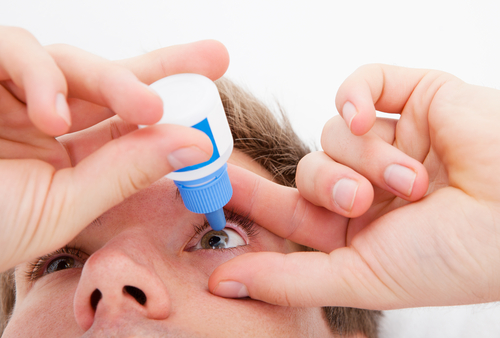
Atropine eye drops are used in low concentrations to help slow the progression of nearsightedness in children. Research suggests that atropine can help reduce excessive eye elongation, a major factor in worsening myopia.
Unlike glasses, which correct blurry distance vision, atropine focuses on slowing progression rather than improving vision directly. Children using atropine may still need glasses or contact lenses for clear sight.
Questions to Ask About Atropine Treatment
If you're considering atropine for myopia control in Rowland Heights, asking the right questions can help you understand what treatment involves. During your child's consultation, consider discussing:
Is my child a good candidate? Age, prescription changes, family history, and eye health can influence whether atropine is appropriate.
What concentration will my child need? Different low-dose concentrations are available, and effectiveness can vary.
Are there possible side effects? Some children experience light sensitivity, enlarged pupils, or difficulty focusing up close.
How long will treatment last? Atropine therapy may continue for several years, depending on your child's age and myopia progression.
How often are follow-up visits needed? Regular monitoring helps determine whether treatment is effectively slowing progression.
Can atropine be combined with other treatments? Certain children may benefit from combining atropine with other myopia management approaches.
These questions help us develop an individualized treatment plan based on your child's vision and long-term eye health.
What Should Parents Know About Atropine Safety?
Low-dose atropine is generally well tolerated, but it is important to understand potential side effects and treatment limitations. The concentration prescribed can affect both effectiveness and comfort.
Atropine prescribed specifically for myopia control is currently an off-label treatment in the United States. During your child's eye exam in Rowland Heights, we can discuss the available evidence, possible risks, and whether this approach is appropriate.
Parents should also understand that atropine does not cure myopia or guarantee that progression will stop completely.
How Do We Monitor Myopia Progression?
Myopia management requires ongoing evaluation to determine how your child's eyes are changing. At InnoVision Optometry, we monitor prescription changes, eye health, and axial length measurements when appropriate.
These follow-up visits help us assess treatment effectiveness and determine whether adjustments may be necessary. We also encourage parents to share any concerns about eye drop application, comfort, or changes in their child's vision.
When Should Your Child Start Myopia Management?
Children whose nearsightedness is increasing may benefit from an early myopia management evaluation. The sooner we identify progression, the sooner we can discuss strategies that may help slow further changes.
Our approach considers each child's prescription history, age, daily visual habits, and individual risk factors. Atropine may be recommended on its own or discussed alongside other available options, depending on the findings.
If your child's nearsightedness is worsening, schedule a myopia management consultation with InnoVision Optometry to learn whether atropine eye drops may be appropriate. Visit our office in Rowland Heights, CA, or call (626) 593-8700 to schedule your child's appointment today.


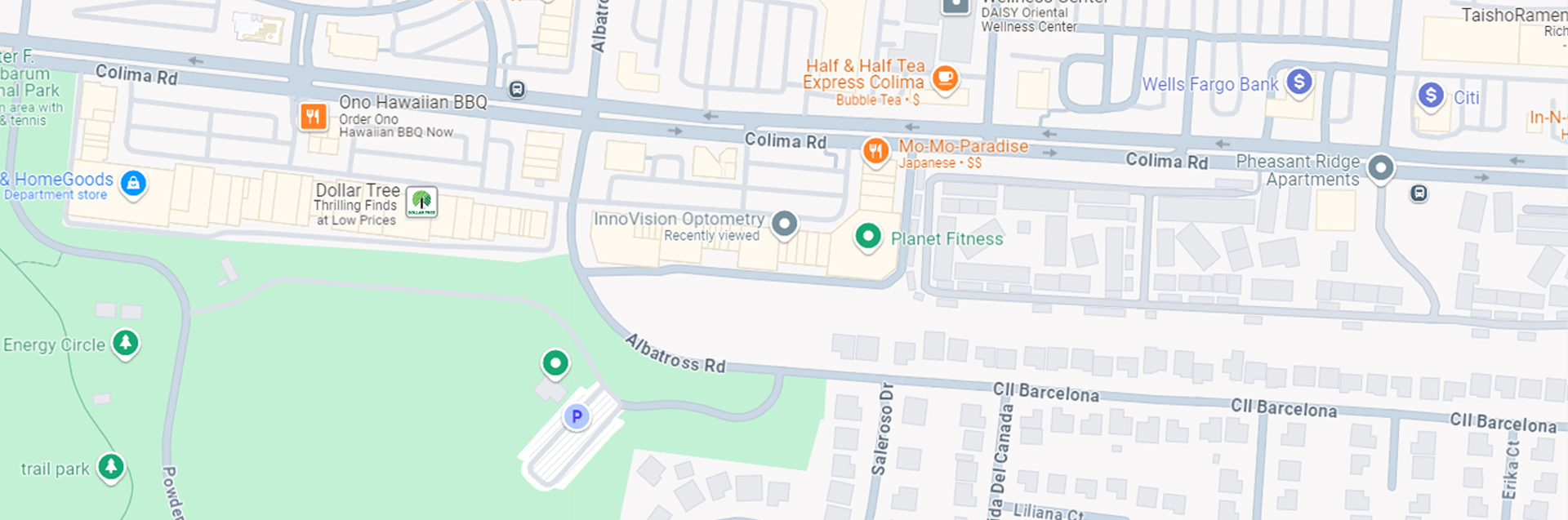
MAP


CONTACT INFO
HOURS
Monday 10:00AM - 6:30PM
Tuesday Closed
Wednesday 10:00AM - 6:30PM
Thursday 10:00AM - 6:30PM
Friday 10:00AM - 6:30PM
Saturday 10:00AM - 6:30PM
Sunday Closed
© 2026 InnoVision Optometry. All Rights Reserved. Accessibility Statement - Privacy Policy - Sitemap
Powered by: 